


“Study hard what interests you the most in the most undisciplined, irreverent and original manner possible.” - Richard FeynmannWith the lockdowns and the restrictions due to COVID, some students have started to fall behind with their studies or struggle at school. Not every student is on track to get the grades they want or need and some might have completely lost interest in school. Some students were struggling before the pandemic and the changes and restrictions haven’t helped. Not everyone has access to a computer or smartphone that can run Zoom. It can be difficult to learn with online classes if you can’t access them. A lot of students felt left behind and further restrictions and lockdowns have done little to help them. The constant changes to the rules are difficult, especially for children. It can be even harder to stay focused during their classes when they’re not actually there. So how can you keep them motivated and interested in their studies? Here’s our advice.

The best tutors available

Benenziza keza
£5,000
/h

1st lesson free!

Shima
£9,500
/h
1st lesson free!

Boaze
£7,500
/h
1st lesson free!
Benenziza keza
£5,000
/h
1st lesson free!
Shima
£9,500
/h
1st lesson free!
Boaze
£7,500
/h
1st lesson free!
1 - Work with the Staff at School
If your child is struggling, you need to make sure that their teacher is aware. Don’t hesitate to get in touch with them and make sure your child is doing their homework and following their lessons.
2 - Get Involved with Your Child’s Studies
This tip follows on from the previous one. To ensure they don’t struggle at school, you need to be on their side. In some cases, they may not be being taught in the way they need to be. Show that you’re there for them and can help them when they encounter difficulties at school. Listen to them and work to find solutions. Again, teenagers may be struggling quite a lot with the restrictions and lockdowns and feeling even more alone and isolated than they would normally be. These feelings can cause them to struggle at school.3 - Encourage Different Ways for Them to Learn
School is important, but it’s not the only way to learn. Encourage your child to try different ways to learn such as through art, music, or sport.
4 - Acknowledge Their Strengths and Weaknesses
You know your child better than anyone. Perhaps they’re better at science than foreign languages. Recognise their strengths and encourage them to pursue their passions. Similarly, you don’t need to focus too much on the subjects they hate. Sometimes, it’s better to work to their strengths rather than the fruitless endeavour of spending hours studying something they have no interest in. In either case, try to encourage them, even if the grades or results aren’t ideal. Do they struggle in almost every subject? This could be down to the approach. By knowing what they’re good at and how they like to learn, you can adapt how they study to make sure they get the most out of every minute spent studying. Similarly, grades don’t always dictate what you can and can’t do.The best tutors available
Benenziza keza
£5,000
/h
1st lesson free!
Shima
£9,500
/h
1st lesson free!
Boaze
£7,500
/h
1st lesson free!
Benenziza keza
£5,000
/h
1st lesson free!
Shima
£9,500
/h
1st lesson free!
Boaze
£7,500
/h
1st lesson free!
5 - Communicate Regularly
To ensure your child does well at school, you’ll want to be checking on their progress regularly. When at school, there’s normally guidance available and teachers are regularly keeping an eye on their results, but with the pandemic, parents have been called upon to help out even more.
6 - Set Goals
Kids can struggle to think about the future, especially during the pandemic. There are so many decisions to make and, at the same time, the future is uncertain, which can discourage children and make them lose interest in their studies. You know your child better than anyone and what they’re interested in. Help them towards the subjects they like, introduce them to people that could help them (virtually), and help them plan out their future by setting achievable goals. Encourage them to go for it and remind them that if it doesn’t work out, it doesn’t matter. At least you’ll have encouraged them to focus on their studies.7 - Limit the Time Spent Looking at Screens
For young children, lockdowns and restrictions can feel like they spend their whole day looking at screens. In some cases, it can feel like the student has more work than they’d usually have at school. Recommend that they do something away from the computer or their smartphone once the school day is over.8 - Pursue Extracurricular Activities
You can help your child do better at school by getting them to do something other than study. The restrictions and lockdowns have put an end to a lot of children’s extracurricular activities.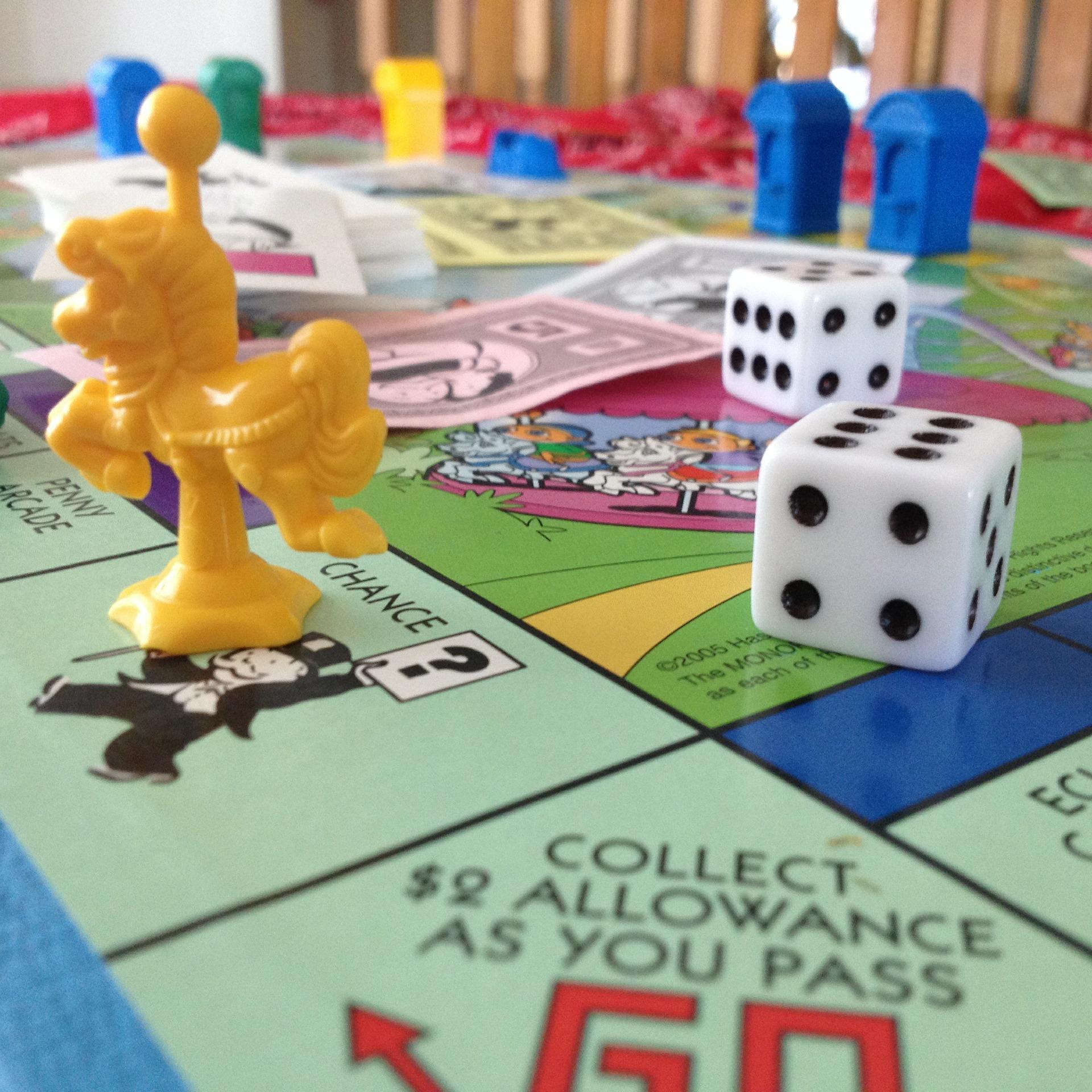
9 - Maintain a Schedule
With online classes or homework, your child can quickly lose any sense of routine. Encourage them to get up and go to bed at the same times they would if they were attending school. Breaks away from the screen are also important, especially a the end of the day.10 - Get Academic Support Tutorials
If the school’s online lessons aren’t great, don’t hesitate to look for help from a professional tutor. They may also be teaching remotely, but they’ll be teaching just one student rather than a large group of them. This is a good way to get your child back into their studies. A tutor can teach them in a way they enjoy and make sure that they don’t fall behind at school. If you're looking for tutoring of any kind, check out the range of private tutors on Superprof. There are tutors for all levels and subjects from all around the UK and the world. There are three main types of tutoring available and each has its pros and cons, especially during the pandemic. Face-to-face tutorials were often the preferred tutorial as even though they're often the most expensive, they're also the most cost-effective. In a one-on-one tutorial, the tutor can adapt their teaching approach and pedagogy to the student that they're tutoring. The extra work they put into planning the lessons is reflected in the rates. Sadly, with the restrictions in place regularly changing, it's quite difficult to know how long before you'll have to cancel any regular face-to-face tutorials. Group tutorials are in a similar situation to face-to-face tutorials during the pandemic. While they are great for those on a budget, regularly gathering in groups isn't advised during the pandemic and a lot of tutors have stopped offering group tutorials or took them online. That said, when you can get them, they're often the cheapest type of tutoring as the cost is shared amongst all the students in attendance. As we've mentioned, online tutorials have increased in popularity during the pandemic. As tutors don't need to travel and can schedule more tutorials each week, they tend to charge less than the face-to-face tutorials. Furthermore, as they take place remotely, they're completely COVID-safe. Many of the tutors on Superprof offer the first lesson for free so try a few out and see which one is right for you and your budget.Summarise with AI:
Did you like this article? Leave a rating!

 Loading...