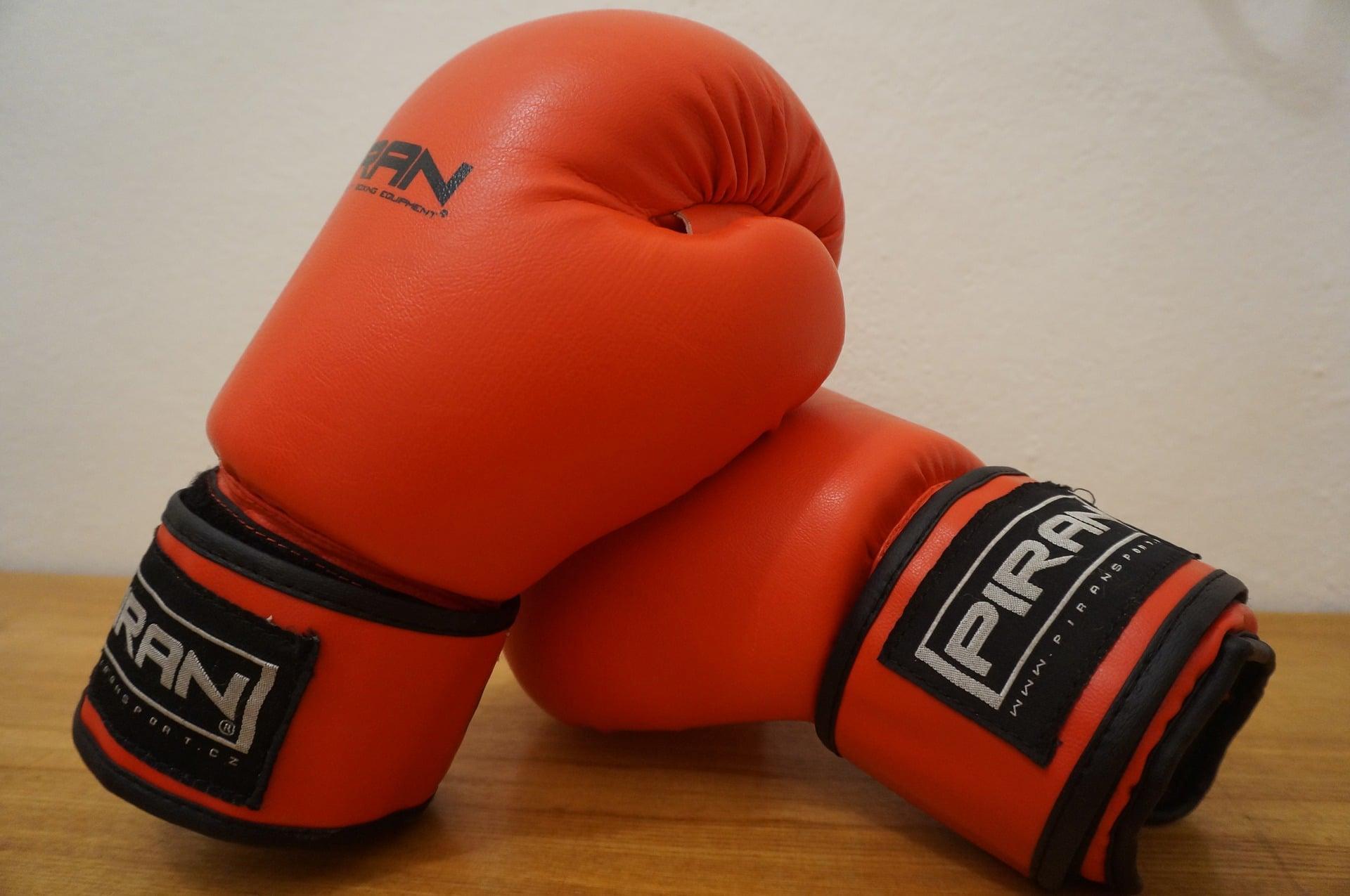
“In sport, you only see the fighter, but it's teamwork. Without a good team, you will never be the best. In boxing, you have to work with the best coach, the best lawyer, the best manager, the best doctor. Exactly the same principle applies in politics.” - Vitali Klitschko
Becoming a professional boxer, regardless of your weight class (heavyweight, lightweight, middleweight, featherweight, welterweight, etc.), requires a lot of training and determination. Whether you’re getting in the ring to compete in traditional boxing, savate, Thai boxing, or kickboxing, professional boxing can be a lucrative pursuit. Other combat sports like boxing, kickboxing, savate, and martial arts are known for being violent. However, there are a lot of benefits to them. In recent years, boxing and wrestling have driven growth in UK sports clubs. An estimated 6,587 sports clubs are operating in the UK. Are you looking to start a career as a boxer? Here’s our mini guide.
The Advantages and Disadvantages of Becoming a Boxer
Boxing is a sport that can help you climb the social ladder by earning money through the Noble Art. Boxing is great for your physique. (Source: SFReader) There are many benefits to being a boxer: becoming a multimillionaire if you’re unbeatable in the ring, being in peak physical condition, and taking a punch without flinching.
The Disadvantages of Boxing
Unfortunately, very few boxers will become millionaires even if they compete at a high level, and there are several disadvantages to boxing:
Struggling to become professional
Regular injury
A long amount of time training
High levels of competition
A sport that’s subject to financial logic
Professional boxers tend to have less protection than amateur boxers. Boxers also have to train for incredibly long periods to improve their cardio performance, endurance, precision, power, technique, footwork, and breathing. This means they may have to train 4 to 5 hours daily for several years. Professional boxers also have to run their career-like business. They must be associated with a boxing organisation to find matches and challenge stronger opponents to increase their earnings. Most of the time, they’ll work with a promoter who organises fights with other boxers in exchange for a cut of the earnings. There are still a lot of advantages, though.
The Advantages of Boxing
Boxing is excellent for your mental and physical health. Boxing is also great for your self-confidence and you’ll start to feel better after just a few sessions. So what about professionals? Boxing can help you build an athletic body. If you search for boxers on Google, you’ll see just how athletic many are. Of course, a world champion will also earn a whole heap of cash. Regularly going to a boxing club comes with many benefits:
Improving your agility and endurance.
Improving your cardiovascular system.
Reducing stress levels.
Building self-confidence.
Toning your body.
So what do you need to do to become a professional boxer or world titleholder?
How to Become a Professional Boxer
As you know, you won’t become a champion boxer overnight. There are a lot of things, including work, that you’ll have to do to become a professional boxer. You need to get into shape to become a professional boxer.
Exceptional Physical Fitness
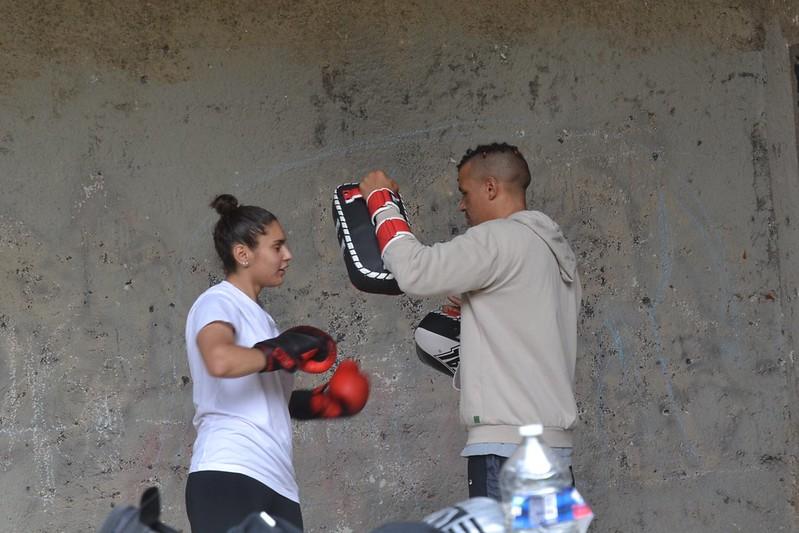
You'll need to train a lot, No matter which class you are (flyweight, featherweight, bantamweight, lightweight, middleweight, welterweight, heavyweight, etc.). This is even true for amateur boxers. Check for various boxing classes near me here. Aside from all the other negative effects, smoking can also damage your voice. (Source: Free-Photos) Firstly, you’ll need to attend a boxing club and start training. Bit by bit, a coach or instructor will work out whether or not you’re ready for a fight. Training will include intense warm-ups (squats, push-ups, burpees, running, etc.), technical training (learning how to throw a jab, hook, uppercut, etc), and weight training. You need to be able to survive several rounds with your sparring partner and work out what your strengths and weaknesses are when it comes to boxing.

Doing Your Research
You must climb up the ladder in amateur boxing before going pro. Afterwards, you must apply to be a British Boxing Board of Control boxer. This is so that “boxers are fully prepared, fit, and properly matched to enjoy a rewarding career with some financial benefit.”. They suggest that most boxers should realise that very few make it to the top and most boxers will need another job alongside boxing. There are many options for those wanting to train as a boxer. You can get a licence from international federations such as the WBA, WBO, IBA, EBY, IBF, etc. A boxer who wins a prestigious boxing event or defeats the title holder in a particular weight category will have even more opportunities to fight for more money.
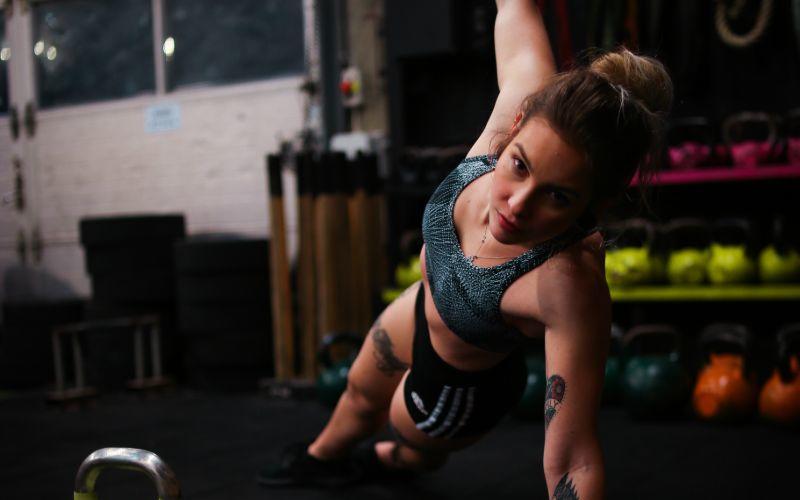
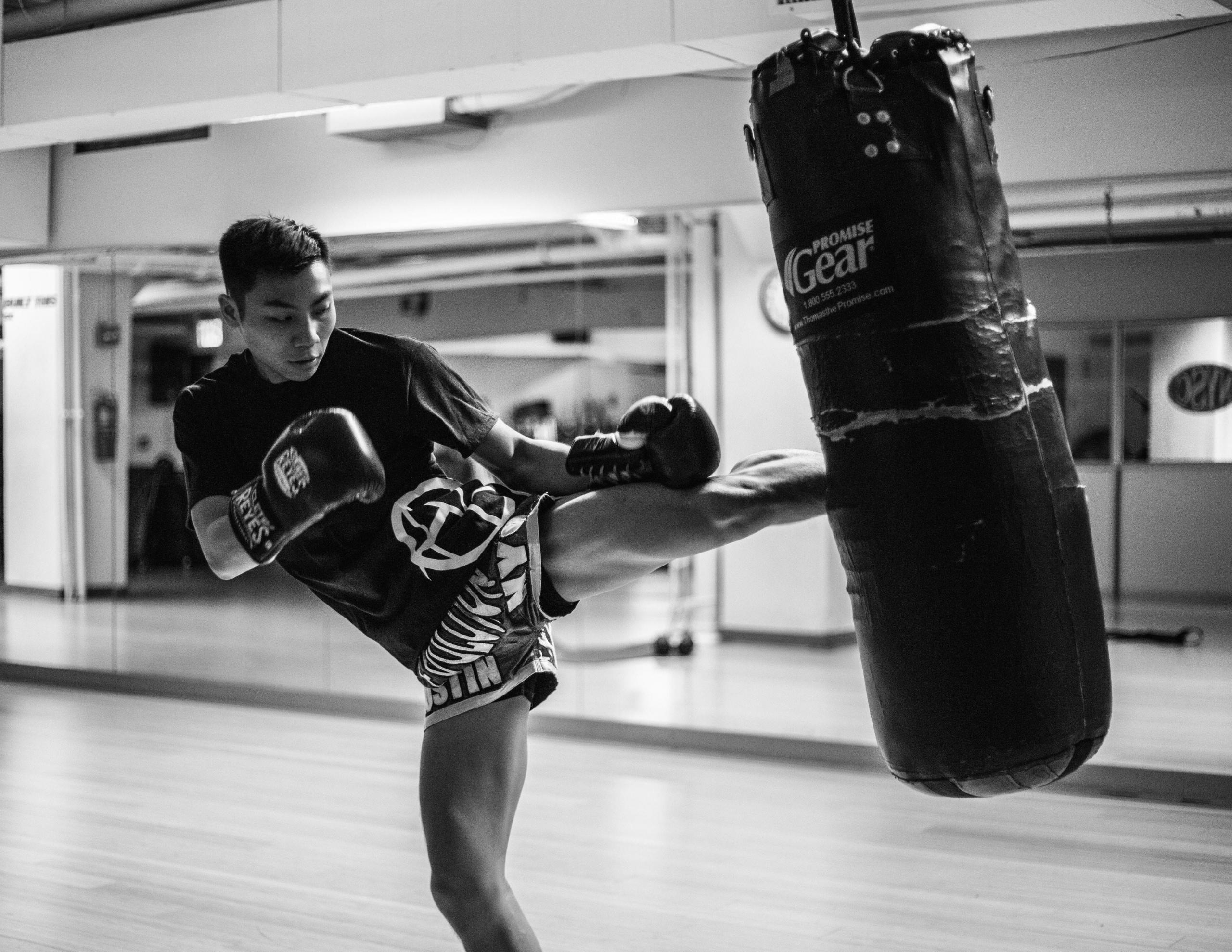
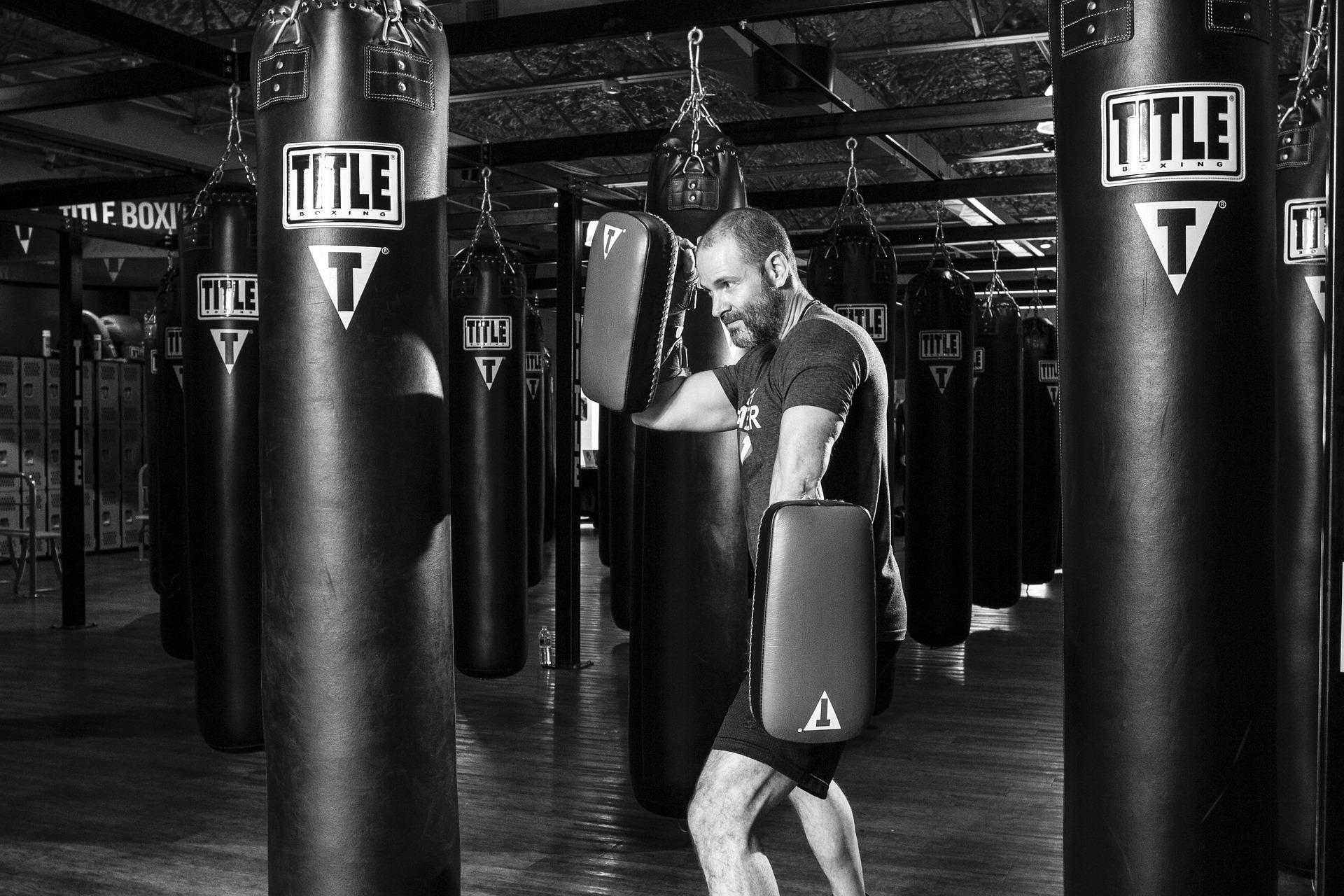
Before you move on to training, you need to choose your discipline. After all, there are several types of boxing including savate, Thai boxing, and kickboxing that may be of interest to you. Most competitors train between 3 and 5 hours daily, five times a week. If you want to be the very best, you're going to have to train. (Source: 12019) Here’s an example of the type of training they may do:
Jogging and squats: 30 to 60 minutes
Warm-ups: 30 minutes
Punching bag exercises: 30 to 60 minutes
Technical exercises: 30 minutes
Sparring: 30 minutes
Strength training: 60 minutes
Stretches and cool down: 30 minutes
You’ll also become pretty good at using a skipping rope. Coaches will advise that you listen to your body, especially if the exercises are too difficult or your muscles begin to fill with lactic acid due to overexertion during your training. That said, you need to push yourself to improve your endurance or become stronger. They often need to build muscle to handle themselves in the ring. A boxer with boxing gloves, a cup, and a gum shield will learn to control their fear of being hit. It’s a natural reaction to fear being hit and avoid being hurt. This is what your guard and dodges are for. This is why professional boxers work in a team with their sparring partner so that they’re ready for combat with any type of boxer. So what types of exercises do they do? If you’ve seen a boxer, you won’t be surprised to learn that they do a lot of sit-ups, push-ups, and burpees.
How To Start a Career as a Professional Boxer
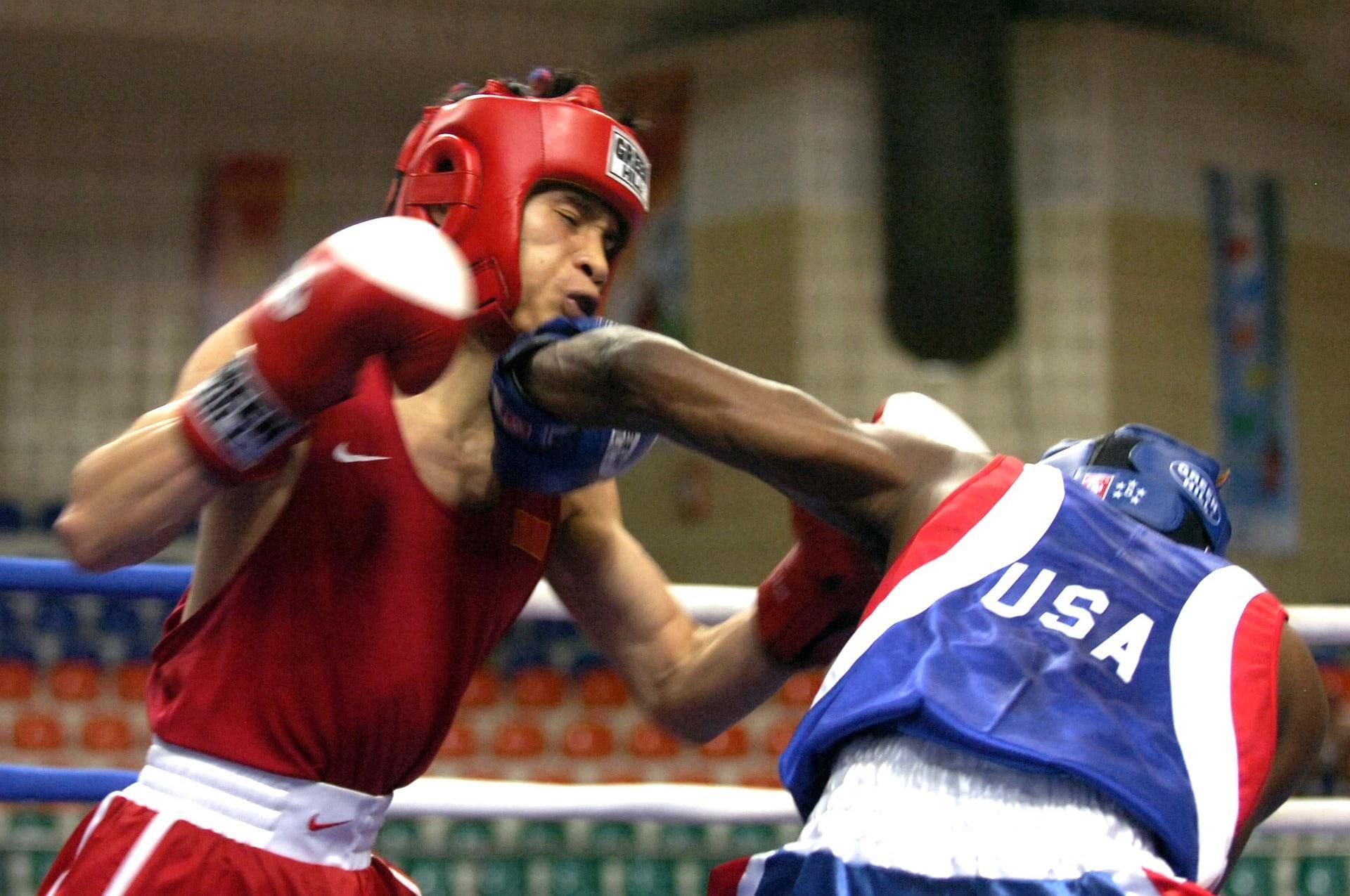
Before you start your career as a boxer, you’ll need to meet a coach and join a boxing club. You’ll probably want to join an affiliated boxing club. Additionally, you’ll want to look for one with a decent reputation and track record. Have a look online. A quick search will probably provide you with all the information you need. If you want to become a boxer, you won’t be doing cardio or fitness boxing in a gym. You need to find a club that’s dedicated to the Noble Art. A lot of clubs offer one or two free training or trial sessions so that you can see whether or not boxing is for you before you go out and get all the gear and pay for your membership. This also means that you can try out several different variations of boxing, such as Thai boxing, savate (French boxing), kickboxing, or traditional boxing, before you decide upon which one’s right for you. For motivated people, you might want to try a couple before settling on one. For example, there may be kickboxing on Mondays, Tuesdays, and Fridays and traditional boxing on Tuesdays and Thursdays. Of course, you’re going to be sore after all that training.No matter what type of boxing you do, you need to be good at it if you want to go pro. (Source: PranongCreative) If you want to go pro, you’ll probably want to ask them about your ability and level and the best type of training for you. You’ll need at least between 75 and 90 minutes of training per day five times a week. The intensity of this training will increase over time. You need to be able to go for 12 rounds in a boxing match, after all. Outside of your boxing training, you’ll also need to train in a gym, run, and work out. The golden rule is keeping your guard, moving your feet, and looking forward. In addition to boxing, you’ll also need to eat right; a diet rich in proteins (chicken, fish, eggs, fruits, vegetables, and nuts). Training can also improve your endurance, particularly in your legs and shoulders, which are used to keep your guard up and throw punches. A career in boxing is very demanding, and there'll be no alcohol or smoking, and you'll also need to eat healthily.

Competing in Boxing
After you’ve trained in your boxing club and reached a certain level of ability, you’ll want to start competing in boxing competitions. Firstly at a local level before moving on to regional, national, continental, and global competitions. There are several different competitions, such as:
The England Boxing National Amateur Championship
GB Three Nations
Women’s Winter Box Cup
Finding More Opponents to Fight
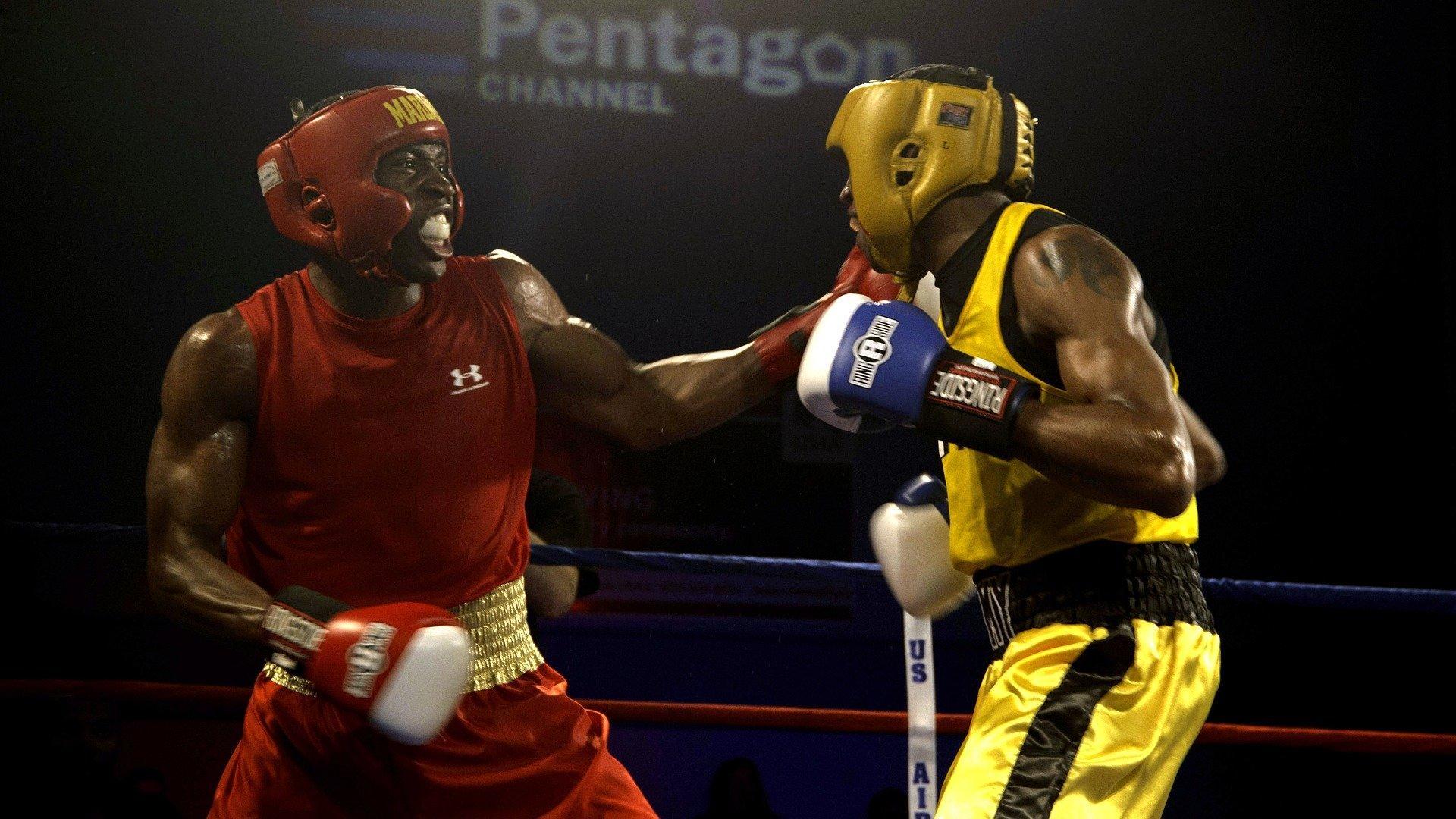
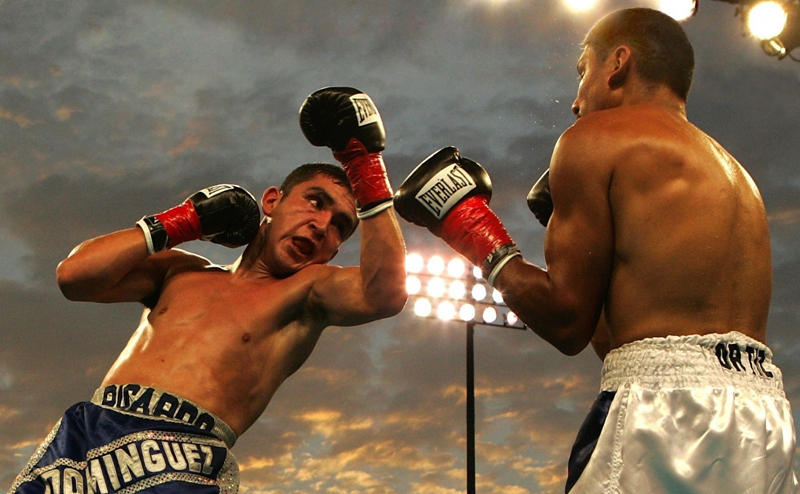
A boxer needs to run their career like a business and find opponents to help them make money. Most boxers let their agent or promoter find suitable opponents for them. (Source: skeeze) It’ll be difficult to organise matches if you don’t have a network. This is why boxers often associate with a promoter who acts as their agent and find them opponents within their weight class (flyweight, bantamweight, featherweight, lightweight, welterweight, middleweight, light heavyweight, heavyweight). These promoters earn their money by taking a cut of the boxer’s earnings. This revenue is often a return on investment for the promoter. Most of the money for big fights is made through TV money. After all, the bigger the fight, the bigger the audience and the more money they’ll make. Economically speaking, the boxing market isn’t balanced: there’s high demand for fights and a small supply of combatants. A boxer will expect their promoter to find increasingly better opponents and lead them to win titles and belts. Remember that around 20% of a boxer’s earnings go straight into the pockets of managers, organisers, promoters, and/or agents. Make sure you get a professional boxing licence. A licence is essential in the world of professional boxing. In addition to a boxer’s abilities, they’ll also need a good support staff if they want to win a championship:
Coach
Physical trainer
Sparring partner
Sports physician
Physiotherapist
The Qualities of Professional Boxers
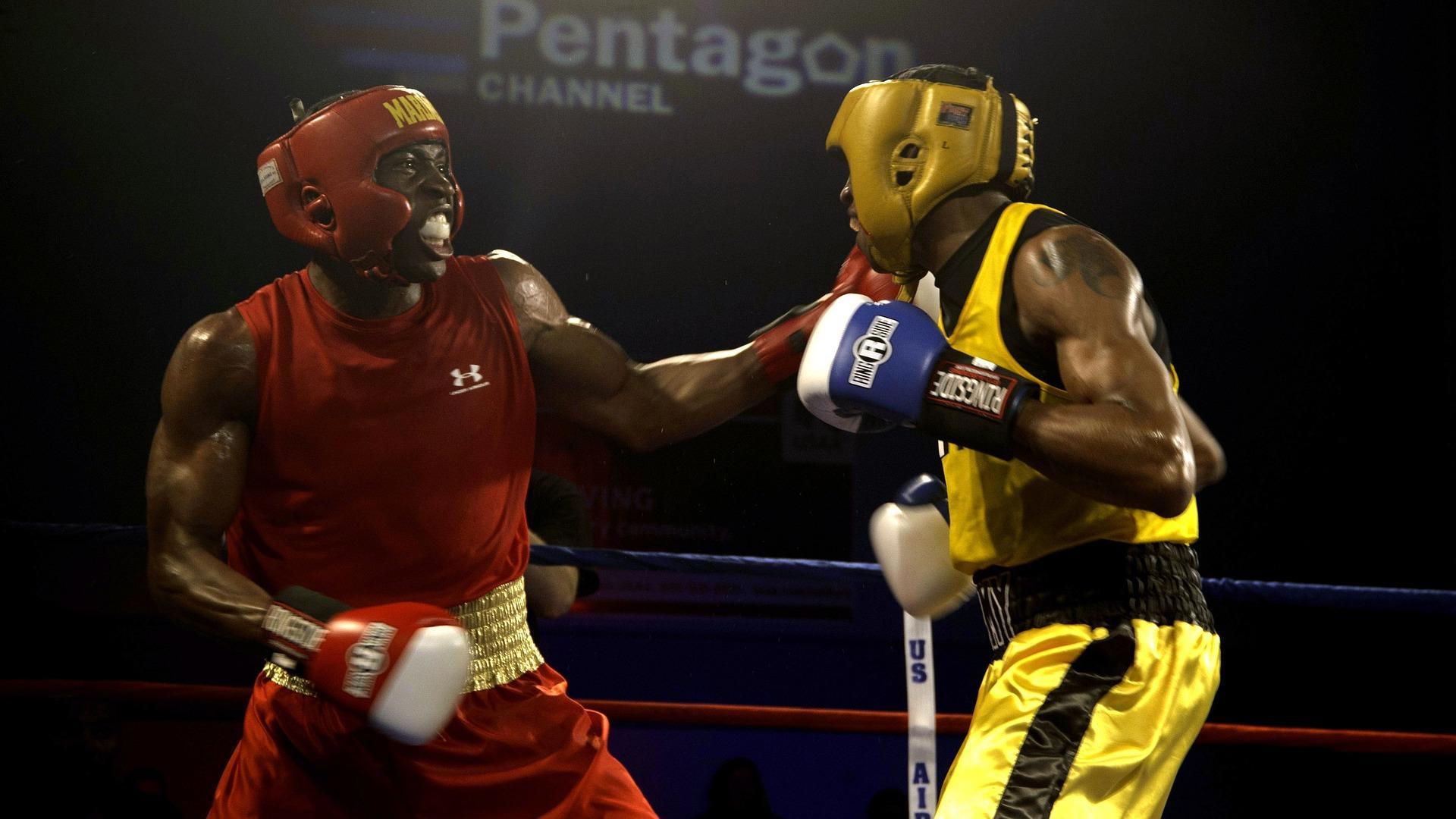
Every boxer needs to be in good physical condition as you need to be able to throw punches and take them and last for several rounds. If you're ready to build these skills, you can look for various boxing classes near me here. Not just anyone can become a professional boxer. (Source: StockSnap) Professional boxing is far more demanding than amateur boxing. Professional boxing bouts consist of 12 3-minute rounds whereas amateur bouts are “just” 3 rounds. There are two main routes to boxing glory:
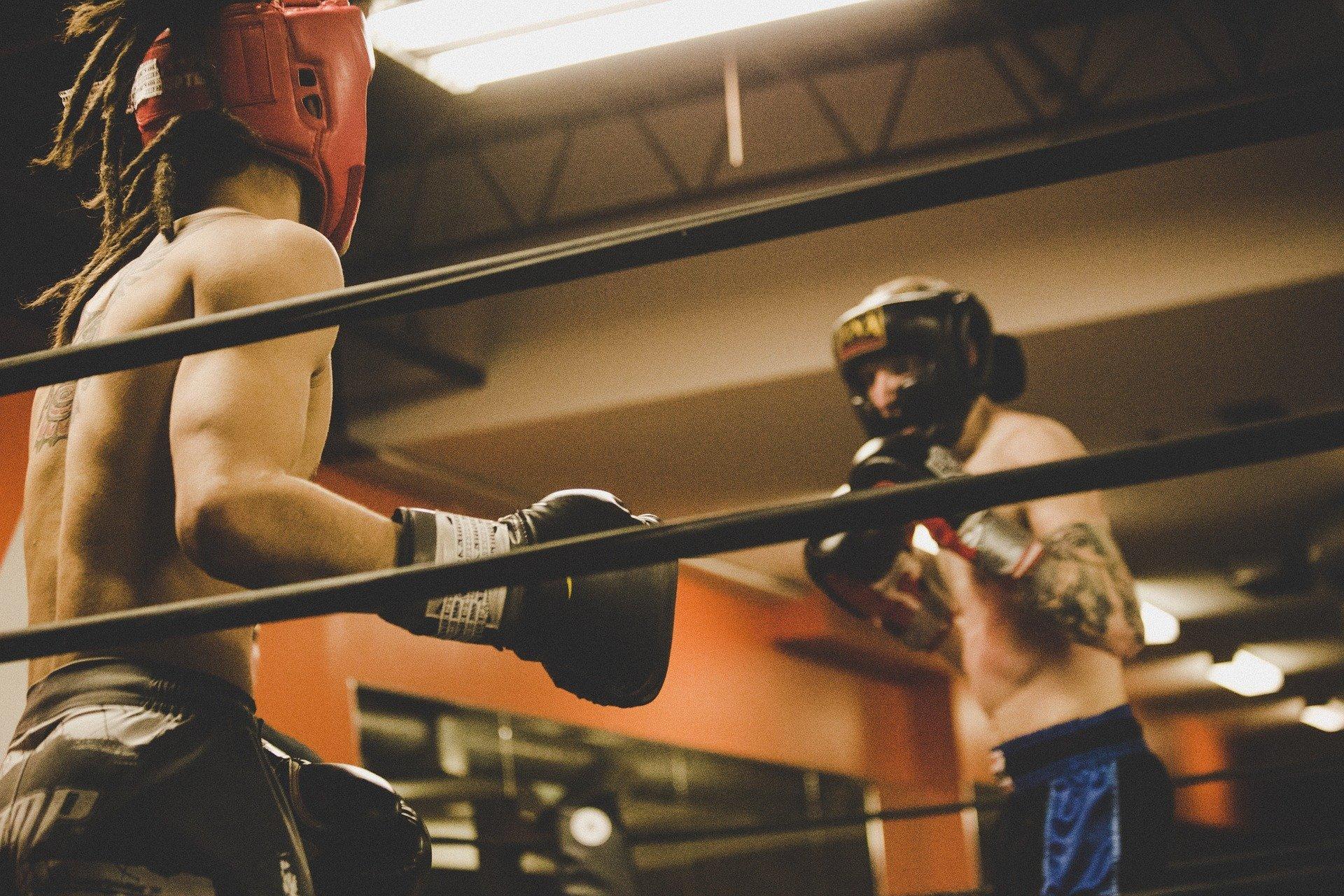
The amateur route and the Olympic Games
The professional route
In professional boxing, there’s no body protection and injuries are not uncommon. You also need to be in excellent physical condition. When getting ready for a fight, you need to work on your:
Defence
Speed
Strength
Instincts
You need to be good at dealing with pain, and it’s likely that you will get hit. If you're interested in boxing, kickboxing, mixed martial arts, or any other combat sport, consider enlisting the help of a private tutor or coach on Superprof. Compare the many tutors available and find the best one pound for pound. Before you pick your private tutor, there are several things that you'll need to think carefully about. Firstly, no two tutors are alike, and you need to pick the one that'll help you to get the most out of your training and set you on the path to glory. Secondly, there are three main types of tutorials available from the tutors on Superprof, face-to-face tutorials, online tutorials, and group tutorials, and you need to pick the one that's right for you.
How Private Boxing Lessons Benefit Fighters Are you a keen boxing spectator? Did you catch the recent Wilder-Fury fight? Deontay Wilder has an amazing fighting style, doesn't he? Those wild windmill punches... You would be strenuously discouraged from such pinwheeling if you trained with a private boxing coach. It's a huge expenditure of energy and […]
The Best Resources for Online Boxing Boxing training: it's something we've all seen in movies and TV series. From the infamous Rocky series to televised sparring between world class boxers. The gym and boxing ring have become legends in the minds of millions of people around the world. While there are still some risks associated with […]
The Guide for Aspiring Boxing Coaches “They got no idea what it is. Boxing is about respect: getting it for yourself, and taking it away from the other guy.” - Eddie, Million Dollar Baby With boxing becoming increasingly popular in the UK, more and more people are choosing to take up the sport. For those […]
The Practical Guide to Becoming a Boxing Coach The words “ring” and “gloves” will undoubtedly make you think of the world’s most popular combat sports, boxing. An increasing number of people are turning towards boxing each year to let their fists do the talking in the ring and boxing is becoming more popular. Additionally, many […]
Starting Kickboxing? Here are the Essentials So, you’re thinking of starting with kickboxing. Maybe, you’ve looked into kickboxing classes, enthusiastic about throwing a roundhouse kick. Maybe, your pals have told you about the thrills of the kickboxing workout, with its aerobic and cardio workout. Maybe, you’ve seen a kickboxing champion or two perform on the […]
Boxing Accessories: The Ultimate Guide to Boxing Gear 'You don’t have to be in a boxing ring to be a great fighter. As long as you are true to yourself, you will succeed in your fight for that in which you believe.'― Muhammad Ali As any boxing enthusiast will know, selecting boxing equipment according to the […]
Practice Martial Arts with Ladies Boxing: Here are all the Pros "He who is not courageous enough to take risks will accomplish nothing in life." Muhammad Ali Women's boxing is an art, at least as much as age-old Karate or Jui Jitsu. This discipline is distinguishable from men's boxing and has specificities of its own. […]
What Boxing Training Equipment Do You Need to Become a Champion? "Everyone can appreciate a loser, especially when he's on the other team!" This quotation could apply to combat sports: although boxing or mixed martial arts are not team sports where one team faces the other, but melee sports, so we especially like when the […]
Understanding the Boxing World "It's hard to be humble, when you're as great as I am." Muhammad Ali (1942-2016). Several time world champion boxer in the heavyweight category, Muhammad Ali arouses adoration raised to the rank of adulation, as much as he incites criticism. Even today, the late world champion of boxing ranks at the […]