

Chemical reactions are everywhere. From food in an oven to fuel burning in your car or metal corroding outdoors in your garden. Some happen quickly, almost instantly, while others can take hours, days, or even years. Understanding common patterns makes them easier to recognise. It helps you see how they're used or exploited in labs, industries, living organisms, and everyday life.
Key Takeaways
- Chemical reactions convert reactants into products by rearranging atoms into new chemical combinations.
- Common reaction types include synthesis, decomposition, replacement, combustion, acid–base, redox and precipitation reactions.
- One chemical reaction can fit more than one classification, depending on which feature you consider.
- Famous reactions such as Haber–Bosch, Grignard, Diels–Alder and Maillard chemistry have influenced industry, science and everyday life.
- Chemical reactions occur constantly in processes such as digestion, cooking, corrosion, combustion and battery operation.


What Are Chemical Reactions?
A chemical reaction is when chemical species are converted into others, changing chemical composition or structure.⁴ Substances at the start of a reaction are called reactants. The substances at the end are known as products. In ordinary chemical reactions, atoms don't appear or disappear; instead, they rearrange into new combinations. Each element keeps its identity during these changes because its atomic number remains the same.
In this equation, hydrogen and oxygen are the reactants and water is the product. The numbers placed before the formulas show the proportions involved in the reaction, while balancing the equation ensures that the same number of atoms of each element appears on both sides.
Chemical equations represent transformations. Typically, reactants are placed before the arrow and products after it.⁵ Balancing an equation means that the numbers of atoms of each element correspond on both sides. An equation describes the overall transformation, not necessarily the intermediate steps or its speed.
Types of Chemical Reactions
Chemists classify reactions according ot the patterns in how substances change. Categories can make unfamiliar equations easier to recognise. They also provide a useful starting point for understanding how reactants behave. A single reaction can sometimes be described in several ways.² An element's position in the periodic table groups can also help explain patterns in its chemical behaviour and reactivity.
A chemical reaction does not always belong to only one category. Combustion is normally also a redox process, many single-replacement reactions involve oxidation and reduction, and precipitation reactions can also be double-replacement reactions. The classification depends on which feature of the reaction you're describing.²
Synthesis (Combination) Reactions
A + B → AB
2Mg + O₂ → 2MgO
Two or more reactants combine to form a product.²
Decomposition Reactions
AB → A + B
2H₂O₂ → 2H₂O + O₂
One compound breaks down into two or more products.²
Single Replacement Reactions
A + BC → AC + B
Zn + 2HCl → ZnCl₂ + H₂
One element replaces another within a compound.²
Double Replacement Reactions
AB + CD → AD + CB
BaCl₂ + Na₂SO₄ → BaSO₄ + 2NaCl
Ions from two compounds exchange partners.
Combustion Reactions
Fuel + O₂ → products
CH₄ + 2O₂ → CO₂ + 2H₂O
A fuel reacts with an oxidant and releases energy.²
Acid–Base Reactions
Acid + base → products
HCl + NaOH → NaCl + H₂O
A proton is transferred between chemical species.²
Oxidation–Reduction (Redox) Reactions
Oxidation + reduction → products
2Na + Cl₂ → 2NaCl
Oxidation states change as oxidation and reduction occur together.²
Precipitation Reactions
Dissolved ions → solid product
Ag⁺ + Cl⁻ → AgCl
Dissolved ions react to form an insoluble solid.²
| Reaction type | Basic pattern | Example | Main idea |
|---|---|---|---|
| Synthesis | A + B → AB | 2Mg + O₂ → 2MgO | Substances combine |
| Decomposition | AB → A + B | 2H₂O₂ → 2H₂O + O₂ | One compound breaks apart |
| Single replacement | A + BC → AC + B | Zn + 2HCl → ZnCl₂ + H₂ | One element replaces another |
| Double replacement | AB + CD → AD + CB | BaCl₂ + Na₂SO₄ → BaSO₄ + 2NaCl | Ions exchange partners |
| Combustion | Fuel + O₂ → products | CH₄ + 2O₂ → CO₂ + 2H₂O | Fuel reacts with oxygen |
| Acid–base | Acid + base → products | HCl + NaOH → NaCl + H₂O | Proton transfer |
| Redox | Oxidation + reduction | 2Na + Cl₂ → 2NaCl | Oxidation states change |
| Precipitation | Dissolved ions → solid | Ag⁺ + Cl⁻ → AgCl | An insoluble solid forms |
Famous Chemical Reactions in History
nothing is created; an equal quantity of matter exists both before and after the experiment
Antoine Lavoisier, Elements of Chemistry⁶
Some chemical reactions became famous because they gave us new ways to manufacture or construct new molecules. These famous reactions are less about the equation but more about the scientific or industrial opportunities they created. Decades-old discoveries still influence modern chemistry.
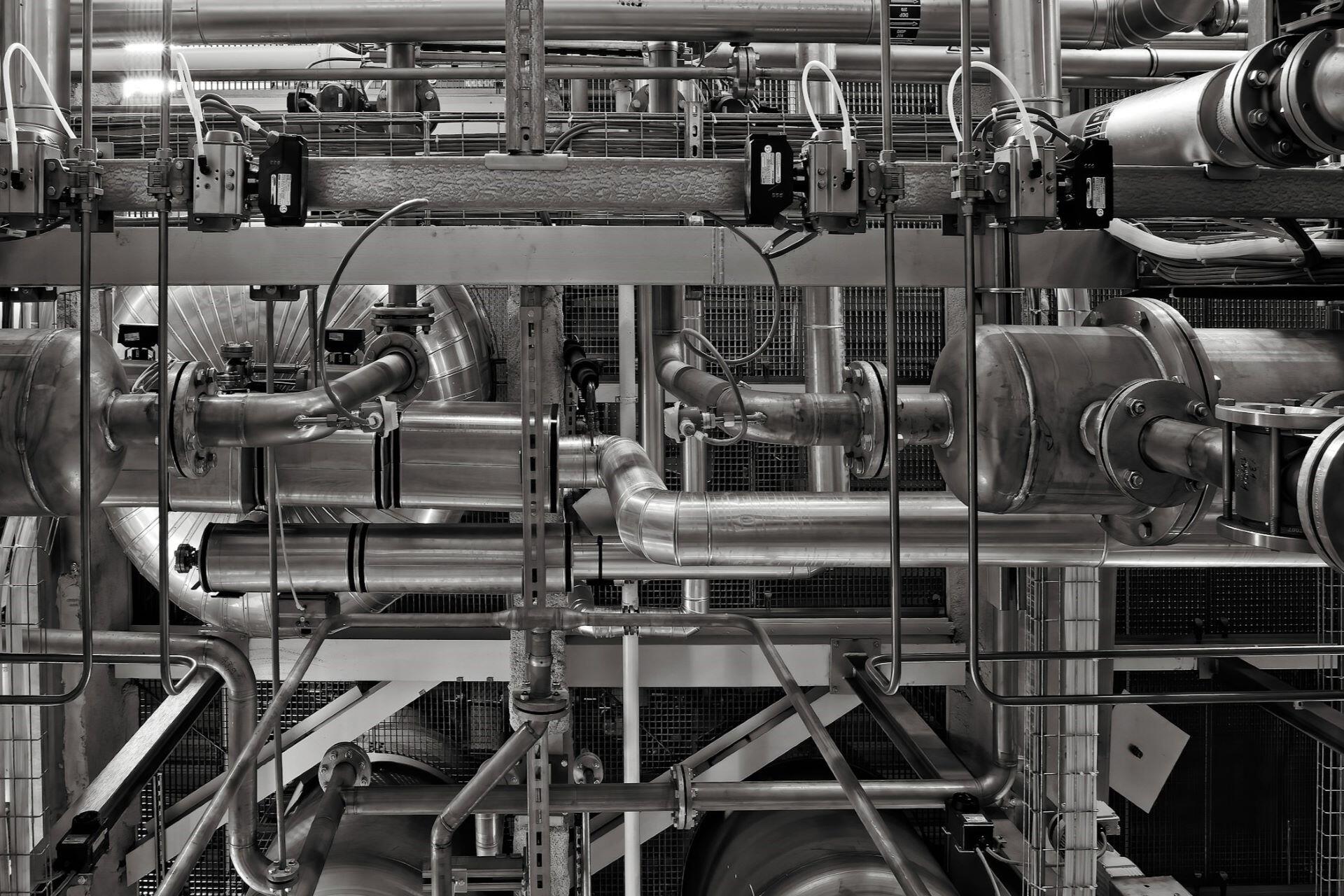
The Haber–Bosch process produces ammonia from nitrogen and hydrogen:
N₂ + 3H₂ ⇌ 2NH₃
Fritz Haber developed a method to synthesise ammonia from its elements and received the 1918 Nobel Prize in Chemistry for it.⁸ Carl Bosch later helped make high-pressure chemical production practical on an industrial scale.⁷
Organic chemistry comes with more examples. Consider Victor Grignard's work with organomagnesium compounds. This gave chemists a powerful method for forming carbon-carbon bonds and contributed to his 1912 Nobel Prize in Chemistry.⁷ Otto Diels and Kurt Alder then developed the reaction which would feature their names, allowing particular unsaturated molecules to combine efficiently into six-membered rings. Their work was recognised with the 1950 Nobel Prize in Chemistry.⁷
For those interested in cooking, you may have heard of the Maillard reaction. Louis-Camille Maillard studied reactions between amino compounds and sugars, which are associated with the browning and flavour development of many heated foods.¹ If you have heard of it, it proves the point that historically important chemistry isn't just used in industrial plants or labs and not every element reacts readily: the noble gases are well known for their comparatively low reactivity under ordinary conditions.
Real-World Examples of Chemical Reactions
You can see everyday chemical reactions in your home, living organisms, vehicles, and electronic devices. You can see flames change colour as an obvious example, though other chemical reactions happen too quickly to notice without instruments or time. Many real-world processes and chemical reactions are sequences of related reactions rather than the simple reactions we saw earlier.
Melting, freezing and boiling can change a substance's physical state without producing a new chemical substance. A chemical reaction instead converts chemical species into others, so the key distinction is whether the chemical identity has changed, not just whether something looks different.⁴
The human body is an excellent place to see chemical reactions happening. For one, you have a large network of enzyme-controlled reactions that digest food, build molecules, and release usable energy. Cellular respiration can be summarised with one equation, but it occurs through a series of linked chemical processes, not a single reaction.
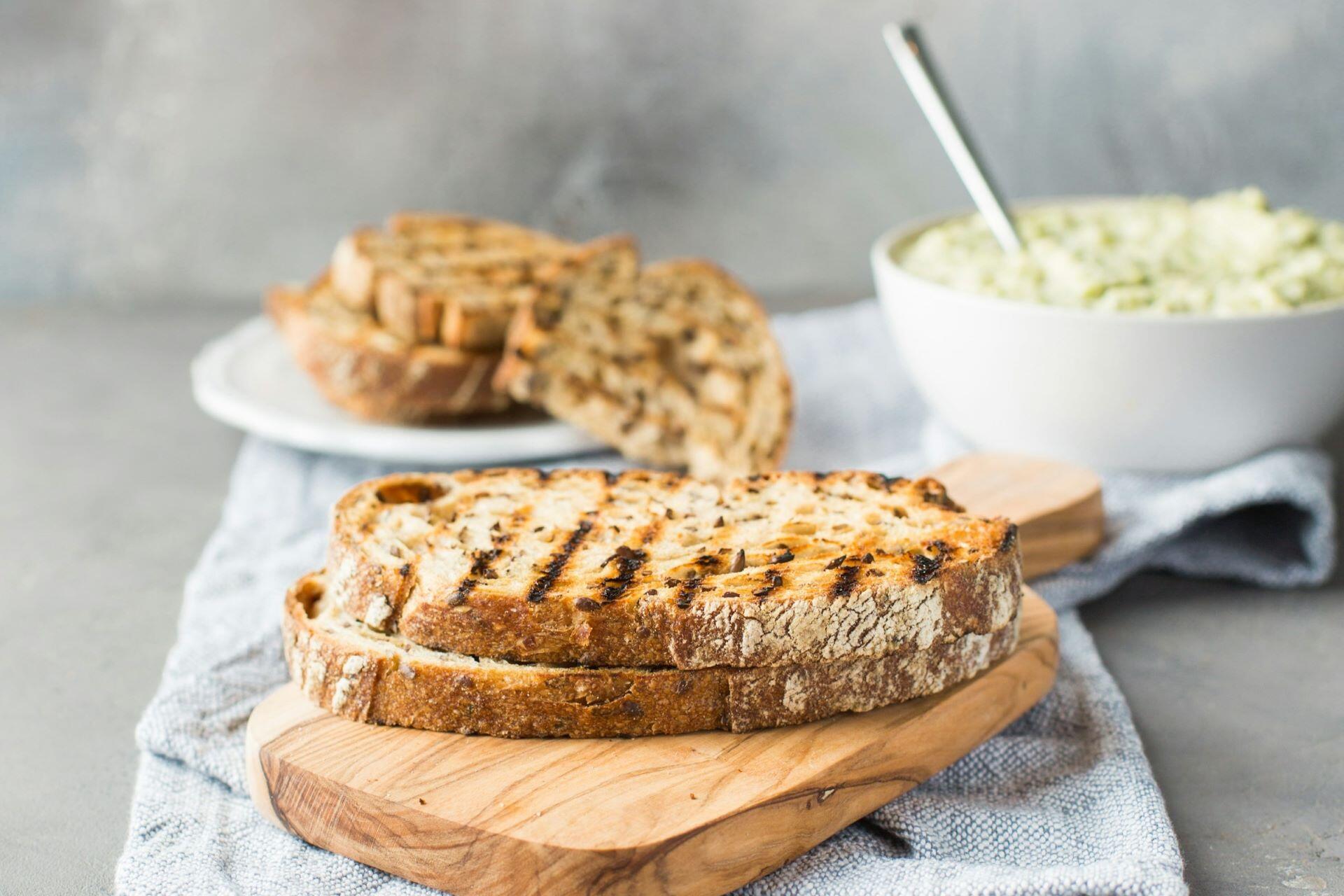
Cooking can trigger chemical reactions that change a food's colour, aroma and flavour. The Maillard reaction occurs between amino compounds and reducing sugars during heating. It helps create many of the characteristic flavours and brown colours associated with cooked food.¹
Corrosion is a slower example. Rusting is an electrochemical process in which iron is oxidised, with water and oxygen playing important roles in the metal's deterioration. Rust can contain hydrated iron oxides, rather than being just a pure compound.³
You'll have witnessed combustion first-hand. Gas hobs, candles, wood fires, or vehicle fuels. The exact chemistry will differ by example, but generally, you'll have a fuel and oxygen, though this is oversimplifying what happens in real combustion. Chemical reactions can also involve substances that require careful handling, including some dangerous chemical elements with toxic, radioactive or highly reactive properties.
The batteries in your home use chemical change: controlled redox reactions. Oxidation and reduction occur at different electrodes, allowing electrons to travel through an external circuit and provide electrical energy. These examples show how the same reaction principles can come in many different forms.
As you can see, chemistry matters beyond the classroom. Reactions help chemists interpret everyday changes, predict likely products, and have given chemistry a role in modern technology and industry. We'd literally be nothing without it!
If you'd like to learn more about chemistry, you could work with a private chemistry tutor. There are plenty on the Superprof website, and like with chemicals, it's important that you work well together. Luckily for you, most of the tutors offer the first session free so you can try out potential tutors before choosing the one that's right for you, your budget, and how you like to learn. Just search for "chemistry" on Superprof today.
References
- Everts, Sarah. “Processed: Food Science and the Modern Meal.” Science History Institute, 5 Jan. 2014. https://www.sciencehistory.org/stories/magazine/processed-food-science-and-the-modern-meal/. Accessed 8 Oct. 2026.
- Flowers, Paul, et al. “Classifying Chemical Reactions.” Chemistry 2e, OpenStax, 14 Feb. 2019. https://openstax.org/books/chemistry-2e/pages/4-2-classifying-chemical-reactions. Accessed 8 Oct. 2026.
- Flowers, Paul, et al. “Corrosion.” Chemistry 2e, OpenStax, 14 Feb. 2019. https://openstax.org/books/chemistry-2e/pages/17-6-corrosion. Accessed 8 Oct. 2026.
- International Union of Pure and Applied Chemistry. “Chemical Reaction.” Compendium of Chemical Terminology (the Gold Book), 5th ed., 2025. https://goldbook.iupac.org/terms/view/C01033. Accessed 8 Oct. 2026.
- International Union of Pure and Applied Chemistry. “Chemical Reaction Equation.” Compendium of Chemical Terminology (the Gold Book), 5th ed., 2025. https://goldbook.iupac.org/terms/view/C01034.html. Accessed 8 Oct. 2026.
- Lavoisier, Antoine Laurent. Elements of Chemistry, in a New Systematic Order, Containing All the Modern Discoveries. Translated by Robert Kerr, William Creech, 1790. Project Gutenberg, 28 Dec. 2009, updated 5 Jan. 2021. https://www.gutenberg.org/ebooks/30775. Accessed 8 Oct. 2026.
- Malmström, Bo G., and Bertil Andersson. “The Nobel Prize in Chemistry: The Development of Modern Chemistry.” NobelPrize.org, Nobel Prize Outreach AB. https://www.nobelprize.org/prizes/themes/the-nobel-prize-in-chemistry-the-development-of-modern-chemistry/. Accessed 8 Oct. 2026.
- Nobel Prize Outreach AB. “Fritz Haber – Facts.” NobelPrize.org. https://www.nobelprize.org/prizes/chemistry/1918/haber/facts/. Accessed 8 Oct. 2026.
Summarise with AI:
Did you like this article? Leave a rating!

 Loading...
